

The stronger we become as leaders, the stronger team we can build. The stronger team we can build, the more we can achieve together.
Everybody has strengths and weaknesses. Most people focus on their weaknesses and neglect their strengths, so after a while their strengths become weaker. We should focus on our strengths and develop our weaknesses.
1. Character
Our character is an area that most need to develop and what I would consider a weak area. By developing our character to become strong, our leadership develops at the same time.
A team is not a team until a highly effective leader turns them into a team. The quicker you can do this the closer you will be to becoming a highly effective leader. Low performing leaders do not actually lead teams, they lead groups of people but call them teams.
When you first take over a team, you are actually taking over a group. They may have worked together with a previous leader and called themselves a team, but it will be up to you as the new leader to turn the group into your team.
DOWNLOAD MY FREE CONTENT HERE
When I have taken over groups in the past, the first thing I discovered was, the people who wanted to be there, and the people who didn’t. Some of the groups I had taken over had never even met each other before. So right from the beginning I knew it would be tougher to turn the group into a team.
The most important thing when taking over a new group that you want to turn into a team is, respect. If you want to turn them from a group into a team, then you must show the group respect right from the beginning.
When you show respect right from the beginning, you will find it a lot easier to build relationships with the group. You will find it a lot easier to build the group into a strong team.
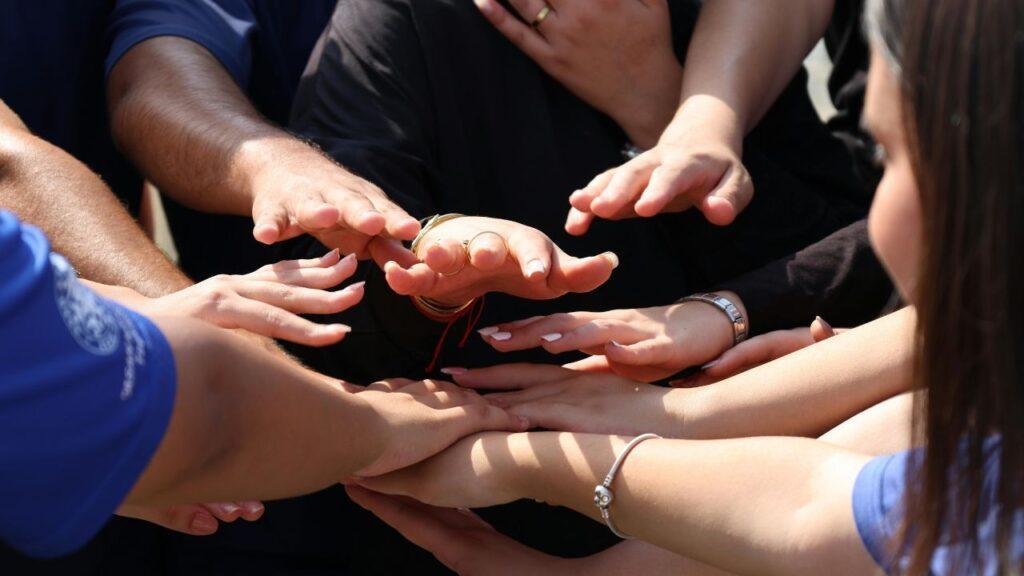
To do this you must work on and build your character to be the strongest it can be. It takes character to turn a group into a team. It takes character to show respect. It takes character to build relationships.
2. Relationships
Having worked in the engineering and rail industry for over 20 years, I have seen many engineering managers take over new groups, and really struggle to turn them into a team. The problem for them was, they knew a lot about the job (competency), and were very experienced engineers.
However, they had very little leadership training or experience (character). That is the reason I am writing this article, and my other articles. The only way to turn a group into a team is through leadership.
A highly effective leader knows that to turn a group into a team, then they must find out what each team member’s strongest competencies are. Then to help them grow and improve, they must focus on these strengths.
A highly effective leader also knows that they must find out what each team member’s weaknesses are. Then to help them grow and improve, they must develop those weaknesses in their character.
Everybody needs to work on themselves every day to strengthen their character, including you. It will be your team member’s character (who they are) as the reason they are not where they and the team should be, or need to be.
When working won your team member’s strengths, in the area of competency (what they know), this is what will push them and the team forward.
Highly effective leaders know to work on themselves every day on their character. When it comes to their people, they help them to work on themselves and focus on building their character every day too.
3. Focus
A highly effective leader has helped so many of their people in the area of character, that character building forms their leadership development and personal growth initiatives. Some of their people don’t work on their character every day, and so should use these initiatives to change that habit.
I focus 20% of my time developing my weaknesses in the area of character, and 80% of my time working on my strengths in the area of competency when working on myself every day.
This also applies when it comes to focussing on the team. I focus 20% of the time developing my team’s weaknesses in the area of character, and I Focus 80% of my time working on my team’s strengths in the area of competency.
Developing your team’s character will help to mitigate most of the problems that occur with team’s. Most problems are due to a person’s character, not their competency. So, developing character will help reduce these problems.
Most leaders spend 100% of their time working on competency, and do not help to develop their team’s character. When they don’t develop their own, or the team’s character then there is no leadership within the team. Especially when the team are going through a difficult time.
When leaders do not work on, and develop their own character, they do not lead themselves. If they do not lead themselves, then how can they lead a team, or a group of people?
When leadership is lacking within a group, it is usually due to the leader’s lack of character. If the leader does not develop their own character, then they cannot lead by example and inspire their team to do the same.
As mentioned earlier, when taking over a group of people before you can turn them into a team, you need to know what their strengths are. So, you need to focus on the group’s competencies, and to find out their strengths in this area, you need to ask them questions.
4. Questions
Questions will generate a discussion. The questions I like to ask are, what do they like to do? What don’t they like to do? How long have they been with the organisation?
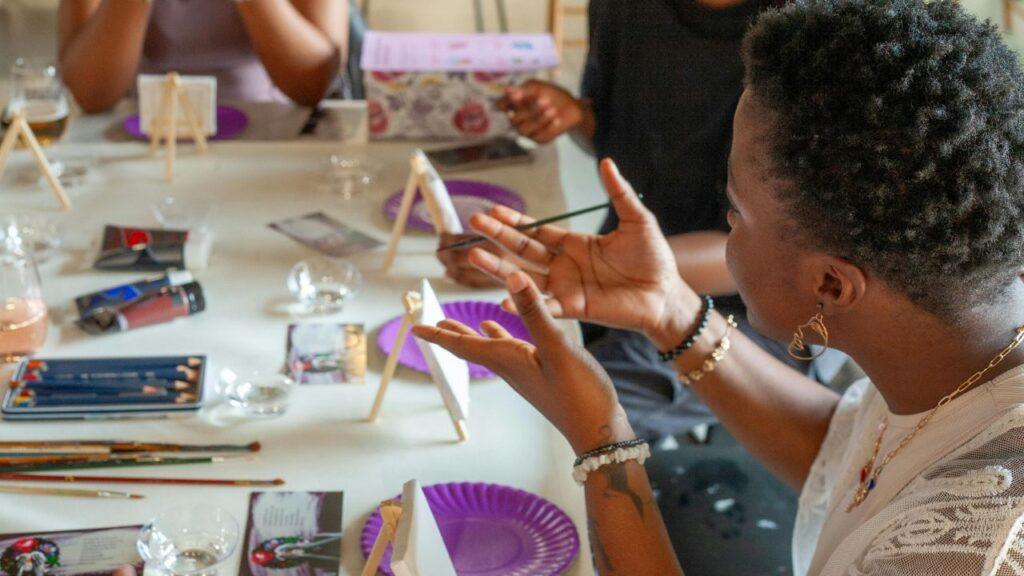
How long have they been in the industry? What was their previous job? Who have they worked for in the past? What are their hobbies? What experience do they have?
These types of questions will spark a conversation between you and the new group member, and will allow you to dig deeper.
DOWNLOAD MY FREE CONTENT HERE
When you have all the answers you need, you will know how to start building a relationship with the group member and the group as a whole. The stronger your relationship becomes, the stronger the team becomes.
It is then that you can start to focus on their strengths and help them to develop their weaknesses. When we focus on our teams strengths and develop their weaknesses, we are expressing our own humility, and striving towards our team’s vision and purpose.
When developing our people, we are developing ourselves too. We are becoming stronger leaders for the benefit of our people. We put our people before ourselves, but do not consider ourselves less.
When we are around a leader who is strong and puts their people before themselves, it gives us a great feeling. When they focus on the team’s vision and purpose, it inspires us to do the same and follow them.
Being around a humble leader gives us a better chance to achieve what we set out to achieve.
I welcome hearing how this post has influenced the way you think, the way you lead, or the results you have achieved because of what you’ve learned in it. Please feel free to share your thoughts with me by commenting below.
Check out my other articles by Clicking HERE
All the best,








A humble leader is an effective leader. Such a leader is willing to identify both strengths and weaknesses within. This allows this person to emphasize their strengths and work on their weaknesses.
Character is such an important identity trait that it requires constant observance and improvement. As we grow as humble leaders, our team naturally grows as well.
Thanks, Tom, for this most informative article.
Best,
Joseph
Hi Joseph,
I am always pleased when one of my articles resonates with you and you contribute to it.
I appreciate your great insights and kind words. Keep being the bumble kind leader you are to your people and show them how they can follow in your example.
All the best,
Tom